
What to document during a roof inspection after a storm
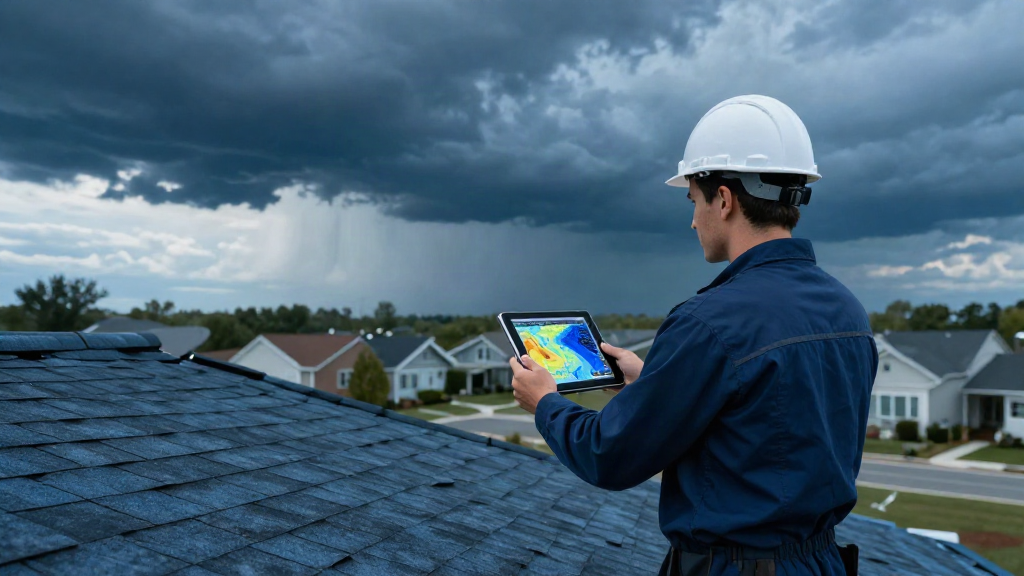
A useful inspection file lets someone who was not at the property understand what was observed and when. It should identify the roof, show the findings clearly and explain the source of any weather information included with it.
The questions below cover how to organize that record. The homeowner's policy and insurer's claim instructions determine what else is needed.
What belongs in the inspection file
Start with the property address, inspection date and inspector's name. Include an overview of the roof and label detailed photos so the reader can locate each finding. A close-up is more useful when it can be matched to a particular slope or roof feature.
Describe the conditions observed. If something could not be inspected, record that limitation. Keep the original photos and distinguish your observations from information supplied by the homeowner or another contractor.
For a claim, the homeowner should also keep records of temporary repairs and related receipts. The Texas Department of Insurance recommends documenting damage with photos or video, retaining receipts and keeping a record of communications with the insurer. See its guidance after hail or windstorms.
What weather information is useful
Include the relevant event date, the property's location and the source of the weather data. Preserve the map legend and label hail sizes as estimates when they come from radar. A measurement or observation from a nearby location should retain that location rather than being presented as a reading taken at the property.
If you include wind information, identify whether it is a measured gust, an estimate or a reported observation, and where it applies. Do not assume a hail report also supplies wind measurements.
The weather material should help the reader assess the event you are discussing. It should not claim to show damage that was never inspected.
How should the dates be recorded
Keep the storm date, the date the homeowner first noticed a problem and the inspection date separate. They may be different.
If several storms are possible, record that uncertainty and the information supporting each event. Do not select a date solely because it has the largest hail estimate. The homeowner can ask the insurer what information it needs to establish the reported date of loss.
Does a hail report prove roof damage or coverage
No. A radar-based hail report supplies weather context; it does not show the physical condition of the shingles. Inspection findings are needed to assess that condition and possible causes.
Coverage is a separate question governed by the policy and the claim facts. A completed inspection or a hail estimate does not guarantee payment. The Texas Department of Insurance's home insurance guide explains how coverage, exclusions and deductibles can affect a claim.
Should sales activity be included
Visit notes can help your company track appointments, conversations and promised follow-ups. A rep's arrival date or door count does not establish that a storm damaged the roof.
Include activity records only when they help explain a relevant part of the chronology. Keep the inspection findings easy to find without making the reader work through unrelated sales notes.
How should the file be shared
Use the address to identify the file and group the inspection report, labeled photos and weather material so they are easy to match. Check that names, dates and locations agree across the documents. Follow the insurer's instructions for submitting claim materials.